



Every demo is built around your organization. Your regulators, your workflows, your risks. Book yours and see the difference.
Book a personalized demo
Healthcare organizations face mounting pressure to improve patient safety, demonstrate regulatory compliance, and drive continuous quality improvement - all while managing limited resources.
Ideagen Healthcare Guardian's AI-powered platform connects patient safety, quality, compliance and risk management - turning 20-minute incident reviews into 2 minutes, revealing hidden patterns across your data, and keeping you inspection-ready every day.

Healthcare organizations worldwide operate under unprecedented pressure. Regulatory frameworks evolve rapidly - Martha's Rule in the UK, PSSM in the US, Australia's NSQHS Standards - requiring continuous adaptation. Staff shortages persist while inspectorates demand evidence-based compliance demonstrations, often with minimal notice.
The challenge isn't just meeting standards - it's maintaining readiness across multiple regulatory frameworks simultaneously while ensuring frontline staff have time to deliver care rather than complete paperwork. Traditional approaches - spreadsheets, paper forms, disconnected systems - create administrative burden without delivering the insights needed to prevent harm and drive improvement.
AI-powered evidence libraries, automated quality statement mapping, and real-time sunburst visualizations for continuous inspection readiness.
AI sentiment analysis flags urgent patient concerns automatically. Real-time dashboards track escalation and response time compliance.
AI-enabled secure escalation with intelligent routing. Full audit trails track concerns through to resolution automatically
Track progress, manage evidence, and boost compliance for measurable organizational improvement. Predictive analysis identifies high-risk patterns across PSSM domains.
AI-driven support across all eight standards with automated incident management and predictive risk identification.
AI-powered compliance tracking with automated evidence mapping and real-time gap identification against HIQA standards.
LFPSE-certified AI incident reporting with intelligent categorization. Automated summarization extracts learning themes demonstrating improvement.
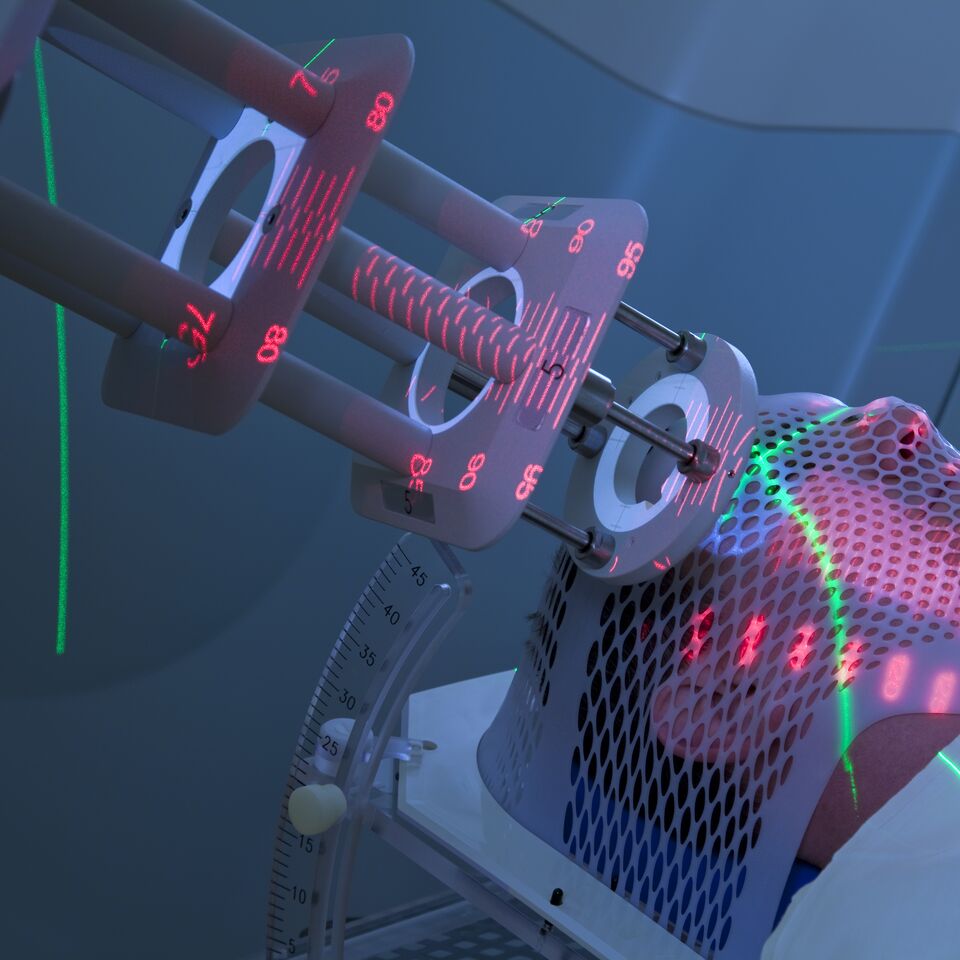
Stop managing patient safety reactively. Healthcare Guardian connects incidents, risks, audits and compliance in one platform – built specifically for the pressures NHS trusts face daily.

Quality failures in healthcare rarely announce themselves. Ideagen Quality Management connects clinical audit, document control, corrective actions and improvement planning in one place – so gaps are identified and closed before they become patient safety events.

It reduces the burden on admin staff and improves data capture.
There’s been a really positive impact on culture within the trust as a result of Healthcare Guardian and I have to say that was quite unexpected, it wasn’t something that we hadn’t particularly expected to happen quite so quickly.

Over 200 teams onboarded: three quarters completed self-assessment within two months.
We have the confidence that our Ideagen quality management system is regularly reviewed, accessible to all staff and that new documents are acknowledged electronically and change requests are raised and acted on.
Every demo is built around your organization. Your regulators, your workflows, your risks. Book yours and see the difference.
Book a personalized demo
Yes. Ideagen Healthcare Guardian is built around CQC Key Lines of Enquiry and fundamental standards. Real-time dashboards, automated audit trails and centralized incident records mean your evidence is organized, accessible and inspection-ready at any time – not just when you receive notice.
Yes. Ideagen is built for multi-site healthcare environments – from single NHS trusts to networks of hospitals and community providers. Governance, safety and quality data is visible across every site in one platform, with role-based access ensuring the right people see the right information.
AI-powered evidence management maps documents to multiple quality statements across frameworks (CQC, NSQHS, HIQA) automatically. When regulations update, AI identifies affected evidence and flags gaps. One incident can simultaneously meet LFPSE requirements in UK and NSQHS in Australia.
Healthcare Guardian uses purpose-built AI for four capabilities: intelligent summarization (condensing incidents while preserving clinical detail), AI form-fill assistance (context-aware recommendations), predictive prevention (identifying patterns to prevent repeats), and sentiment analysis (flagging urgent concerns). All AI decisions are explainable and clinicians remain in control.
No. Healthcare Guardian's AI is embedded directly into existing workflows - incident forms, audits, feedback review. Staff see intelligent suggestions in context as natural parts of their tasks. No separate interface or technical knowledge required.
Yes. AI capabilities enable module-by-module based on readiness. Many start with intelligent summarization and AI form-fill, then add predictive prevention once comfortable. You control active features and can adjust anytime. The platform works without AI enabled.
The AI comes pre-trained on healthcare datasets, working effectively from day one. As you use the platform, recommendations adapt to your organization's patterns through configuration, not retraining. Your data never leaves your secure environment or trains models for other organizations.
Every AI recommendation is explainable - showing rationale based on similar cases or clinical guidelines. Clinicians make final decisions; AI provides decision support only. Full audit trails show what AI recommended and actions taken. LFPSE certified for NHS use with GDPR compliance.
Most organizations see impact within the first month - incident review drops from 20 to 2 minutes. Near-miss reporting increases 200% within 6-8 weeks. Repeat incident reduction (50%) becomes measurable around 3 months. Comprehensive ROI typically demonstrable within 6 months.
All AI-generated content includes full audit trails showing source data, analysis process, and human modifications. AI summaries preserve all critical clinical details—nothing is lost. Explainable AI means auditors and legal teams can trace every recommendation to its evidence base.
Can't find what you're looking for? Speak to a healthcare specialist. No sales pitch – just answers.