












Safety engagement platform that transforms workplace culture

The best safety programmes fail when workers stop reporting what they see. Frontline employees witness tomorrow's incidents forming today, but traditional reporting systems turn safety participation into a chore rather than a mission.

Ideagen's comprehensive safety engagement platform with behavior-based safety tracking and native mobile apps transforms reluctant reporters into safety champions, delivering measurable improvements in near-miss reporting rates and 50-70% faster response times to critical safety intelligence.

COLOUR-IMAGE_two-colleagues-looking-at-a-clipboard_apr26
COLOUR-IMAGE_automotive-male-worker-in-automotive-factory_feb26

Ideagen's smart safety engagement system

Real safety culture happens when doing the right thing becomes effortless.

Our safety engagement platform bridges the gap between safety leadership and frontline reality through embedded, contextual and pervasive AI intelligence that guides non-experts through reporting whilst maintaining the data quality standards that analytical professionals demand. 

Real intelligence flows both ways: workers get instant feedback when they report issues through mobile apps that work offline, whilst you get the complete visibility needed to spot patterns before they become problems. Behaviour-based safety programmes with regular observations and ongoing feedback systematically change human behaviour, transforming safety culture from compliance theatre to genuine safety culture metrics and performance measurement with direct impact on corporate objectives. 

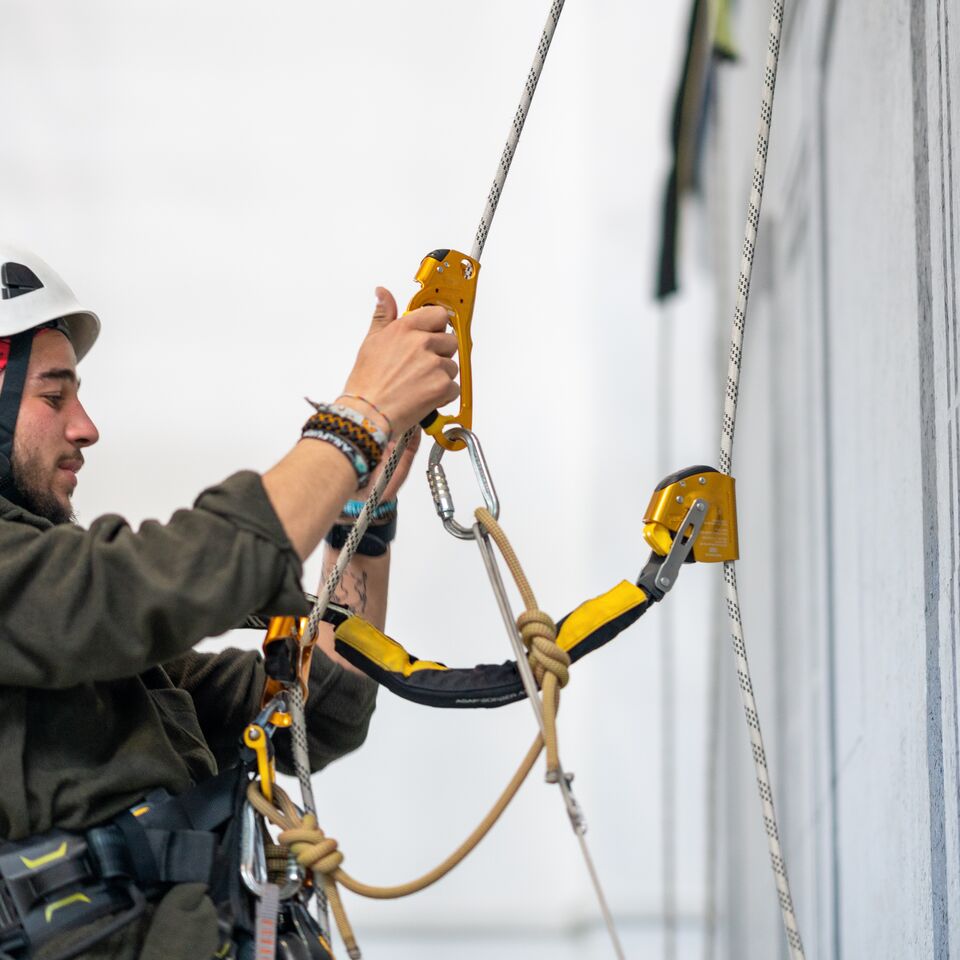
COLOUR-IMAGE_construction-worker-scaffold_feb26

Low employee safety participation in safety reporting from frontline workers

The incidents that hurt you most are the near-misses that never get reported. Frontline employees witness critical safety intelligence daily, but traditional reporting systems make employee safety participation feel like paperwork rather than protection. 

Our AI-powered engagement platform makes safety reporting as intuitive as sending a text. Mobile-optimised workflows guide workers through proper procedures with contextual prompts, whilst behaviour-based safety tracking and safety involvement strategies reward participation. Training management identifies skill gaps and measures effectiveness, ensuring workers understand not just what to report but why it matters. AI-enhanced search helps supervisors act on reports instantly, showing workers their intelligence drives real action. The result? Workers who actively hunt for safety improvements rather than hoping problems solve themselves. 

COLOUR-IMAGE_construction-pre-start-phone_Apr26

Incomplete field data from mobile workers

Critical safety intelligence dies in the gap between witnessing an issue and finding time to report it properly. Field workers see problems as they happen, but by the time they're back at a computer, crucial details have vanished and urgency has faded. 

Our native mobile EHS platform with AI captures intelligence at the moment of truth—photos, voice notes, GPS location, all validated instantly through automated workflows. Apps work with or without connectivity, automatically syncing when connection returns. Workers report incidents, unsafe acts, near-misses and observations in real-time without disrupting their actual work, whilst AI ensures nothing critical gets missed in translation. Activity and task management tracks all safety actions driven by worker reports, proving their input drives real change. Your safety data becomes as reliable as your operations demand. 

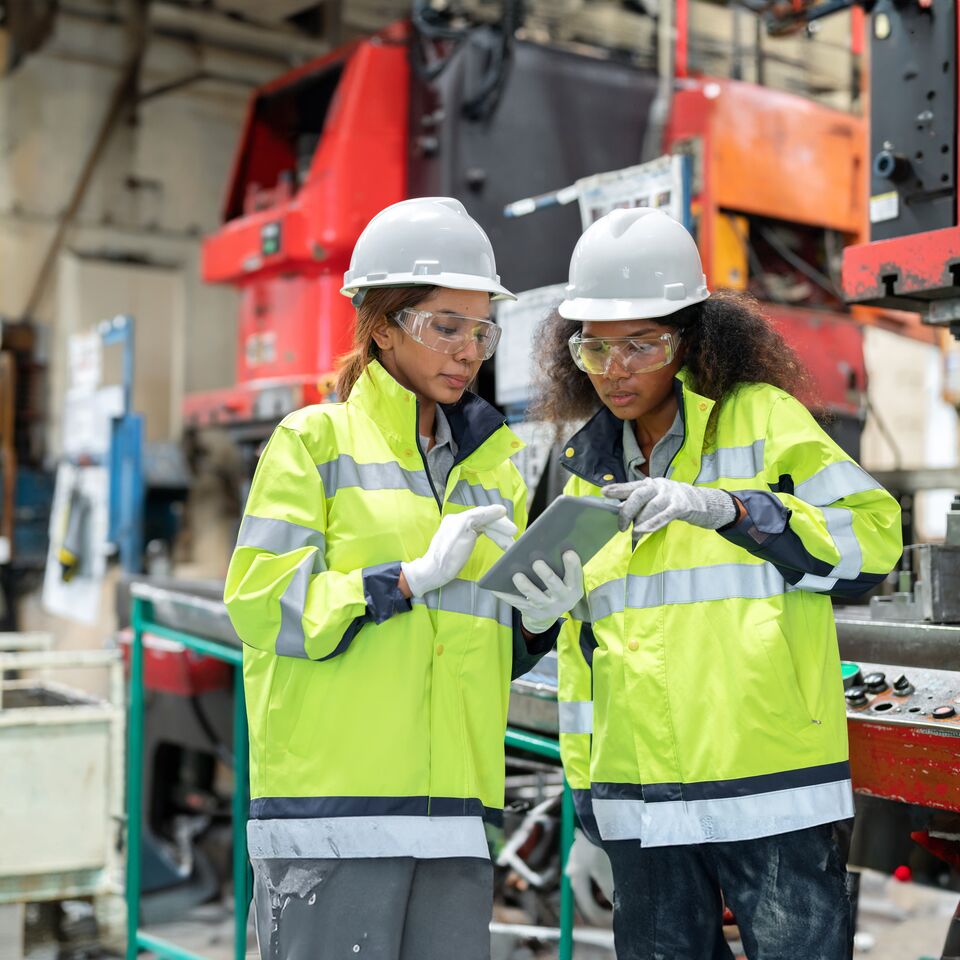
COLOUR-IMAGE_two-ladies-in-hi-vis-and-hard-hats-discussing-outside-of-factory_apr26

Poor workforce safety engagement creating disconnected workers lacking safety ownership

Workers who don't see how their actions connect to broader safety outcomes become passive participants in their own protection. This disconnect undermines even well-designed programmes, leaving EHS professionals struggling to prove culture improvement beyond annual survey scores. 

Our AI-powered safety engagement platform transforms individual actions into collective safety ownership. Reporting and analytics provide interactive dashboards showing real-time progress across teams, whilst safety involvement strategies include peer recognition systems that create positive reinforcement. Intelligent summarisation demonstrates how worker reports prevent actual incidents, with audit and inspection data proving improvement trends. When people see their intelligence being acted upon through clear safety culture metrics, they start hunting for problems rather than hoping someone else finds them first. 

Health and safety outcomes. G2 verified

Recognised by real users on G2, Ideagen's EHS solutions consistently earns top marks across our product range –
reflecting the trusted performance you'll find throughout our environment, health and safety portfolio.

g2-badge-website-ehs-01
g2-badge-website-ehs-02
g2-badge-website-ehs-03
g2-badge-website-ehs-04
g2-badge-website-ehs-05
g2-badge-website-ehs-06
g2-badge-website-ehs-07
g2-badge-website-ehs-08
g2-badge-website-ehs-09
g2-badge-website-ehs-10
g2-badge-website-ehs-11
g2-badge-website-ehs-12

Request a demo today

EHS professionals at high-risk operations choose Ideagen's safety engagement platform when workforce safety engagement directly impacts operational continuity.

Users report measurable improvements in near-miss reporting rates, 50-70% faster response times to critical safety intelligence and genuine culture transformation that shows up in safety culture metrics and incident data, not just survey scores. 

Why people follow safety rules only when watched: is it the worker or the system around the rule?

Rules followed only under observation point to habit, supervision and untested procedures. See how UK employers can test the system, not blame workers.

SDS, GHS and chemical inventories explained: the 16 sections and how they fit together

What is GHS? Learn the 16 safety data sheet sections, GHS labels and hazard classes and how to keep a chemical inventory, in plain English.

EHS laws and regulators explained: HSE, WHS and HSWA, environmental permits and US recordable incidents

Learn what the HSE is in the UK, plus environmental permits, Australian and NZ WHS and HSWA laws and US OSHA recordable incidents, in plain English.

Emergency response plans explained: what to include and how to test them

What is an emergency response plan? Learn what to include, how to build one and how to test it with drills and tabletop exercises, in plain English.

What is a permit to work? How the process works and when you need one

What is a permit to work? Learn when you need one, the permit to work procedure step by step, key roles and common failures, in plain English.

What is EHS? Meaning, key roles, responsibilities and how it differs from HSE, OHS and WHS

What is EHS? Learn its three parts, who is responsible, what an EHS manager does and how it differs from HSE, OHS, WHS, SHE and QHSE.

Safety inspections and EHS audits explained: checklists, differences and best practice

What is a safety inspection and what goes in a checklist? Learn what an EHS audit is, how it differs from an inspection and the best practice for both.

Workplace hazards explained: types, risk vs hazard and the controls that keep people safe

What is a hazard and how does it differ from risk? Learn the types of workplace hazards, PPE, RAMS and SWMS, high-risk work and lockout/tagout.

Risk assessments and risk registers explained

What is a risk assessment and how do you do one? Learn the five steps, how to build a risk register and how to keep both useful, in plain English.

What is an EHS management system? Key elements, safety culture and KPIs

What is an EHS management system? Learn its key elements, what safety culture is, how to build it and which EHS KPIs to track, in plain English.